

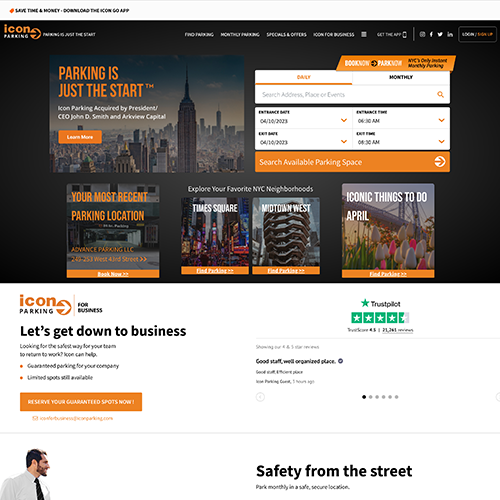
Parking Inventory Management System
Embrace the strengths of the aggregators like SpotHero to your own advantage, and on your own terms, as well as seamlessly integrate with your neighbourhood businesses ecosystem.
We are a global provider of Web & Mobile App development, Quality Assurance,
e-commerce and HR Outsourcing services. Headquartered in CA, USA, we work closely with
you to understand your needs and apply best practices to implement, manage and support
your technology needs.
We a certified partner of Microsoft, IBM, Oracle, FireHost and other technology leaders,
understand our responsibilities and hence follow the best practices in order to deliver
best and on-time services to you.
With the mission to help business leaders get the most of the technology investment we stand by our values of understanding the urgency in the service we are delivering, we understand the requirement properly instead of jumping on to conclusion and we value time.





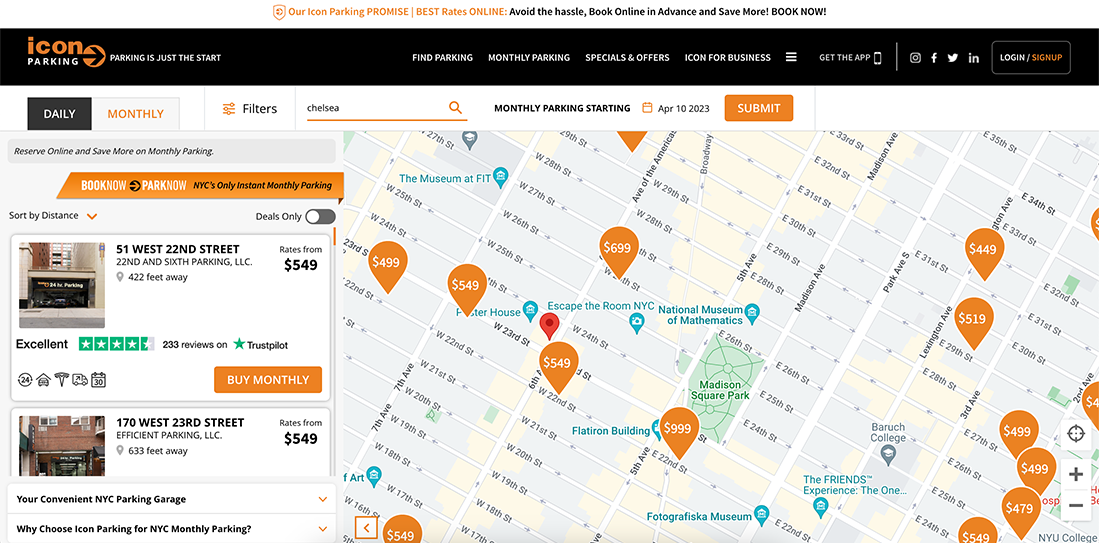
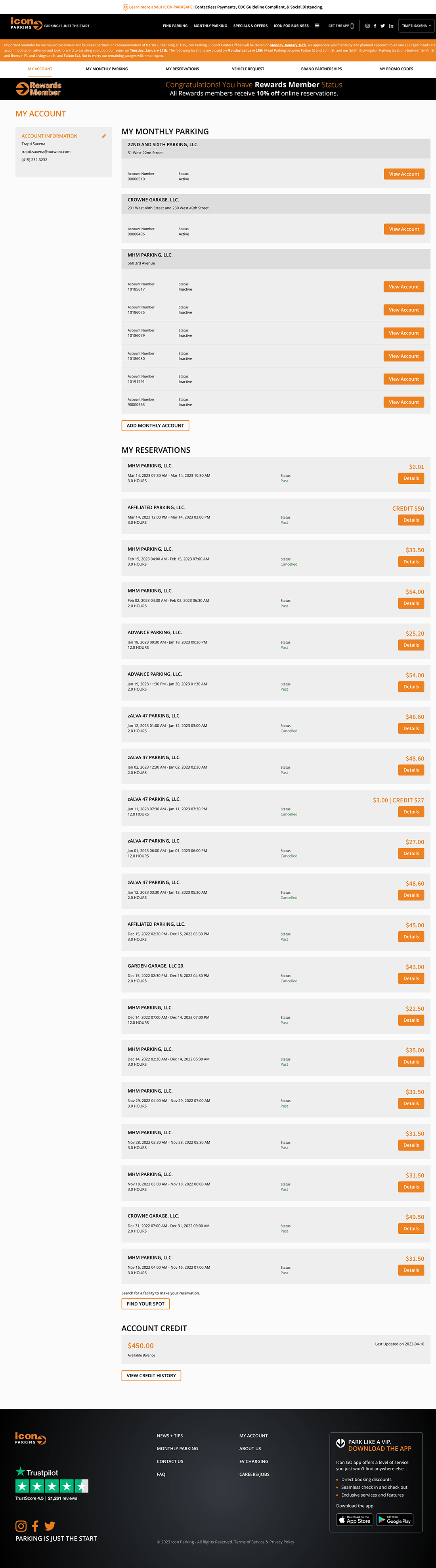
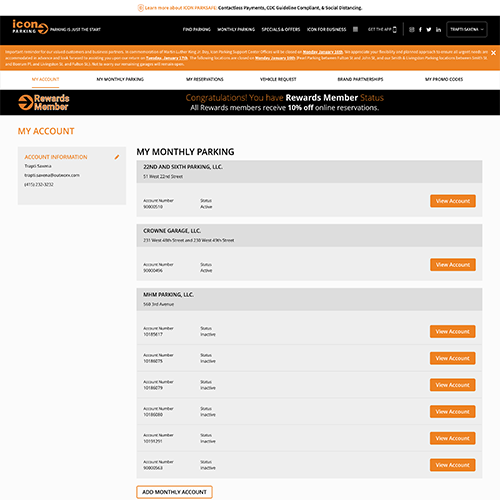
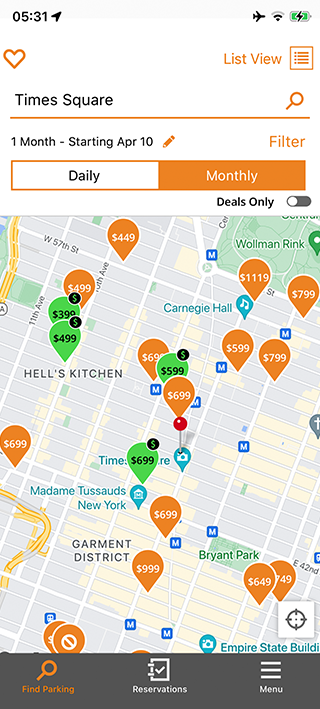
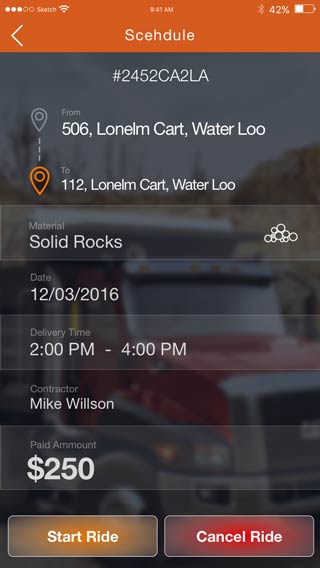
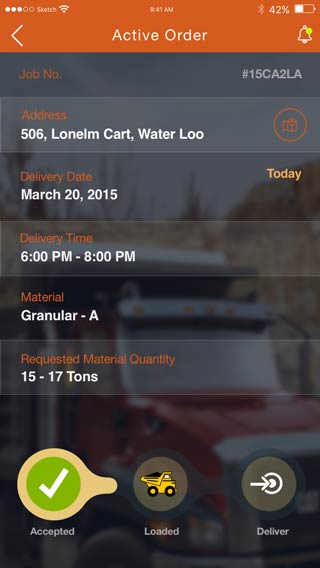
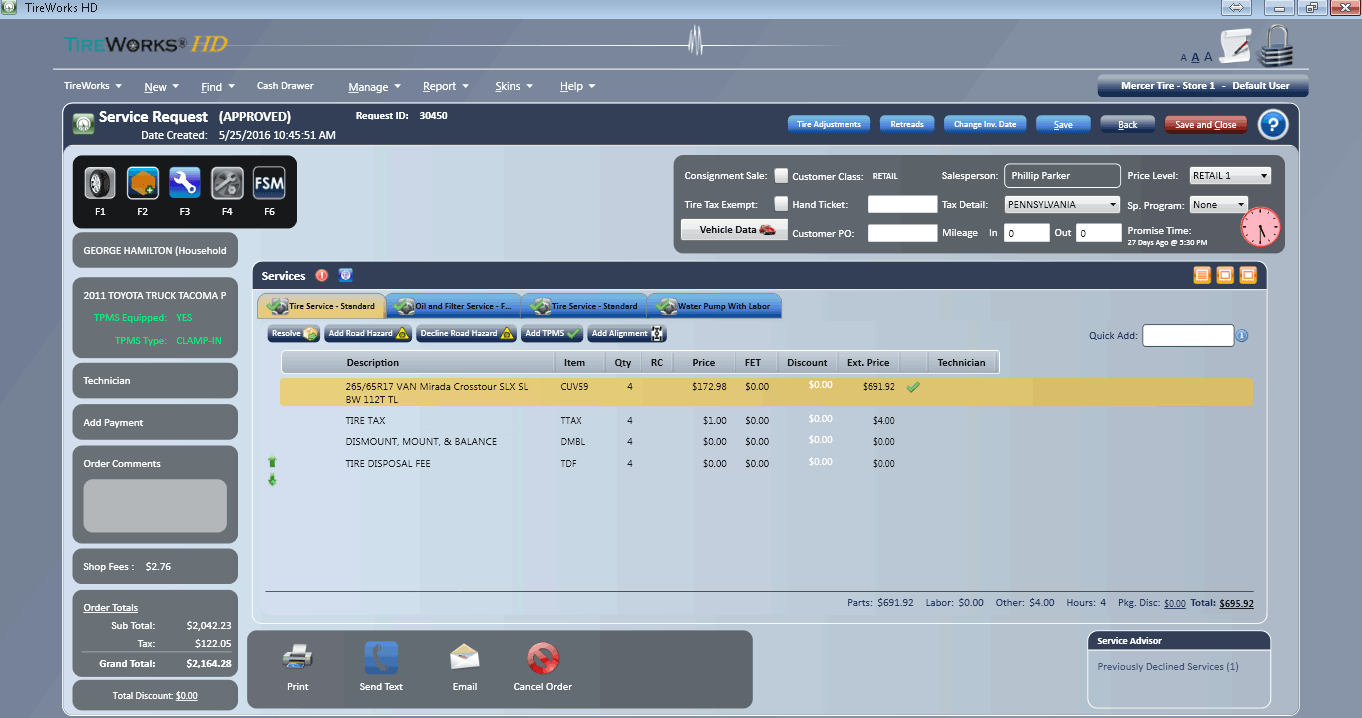
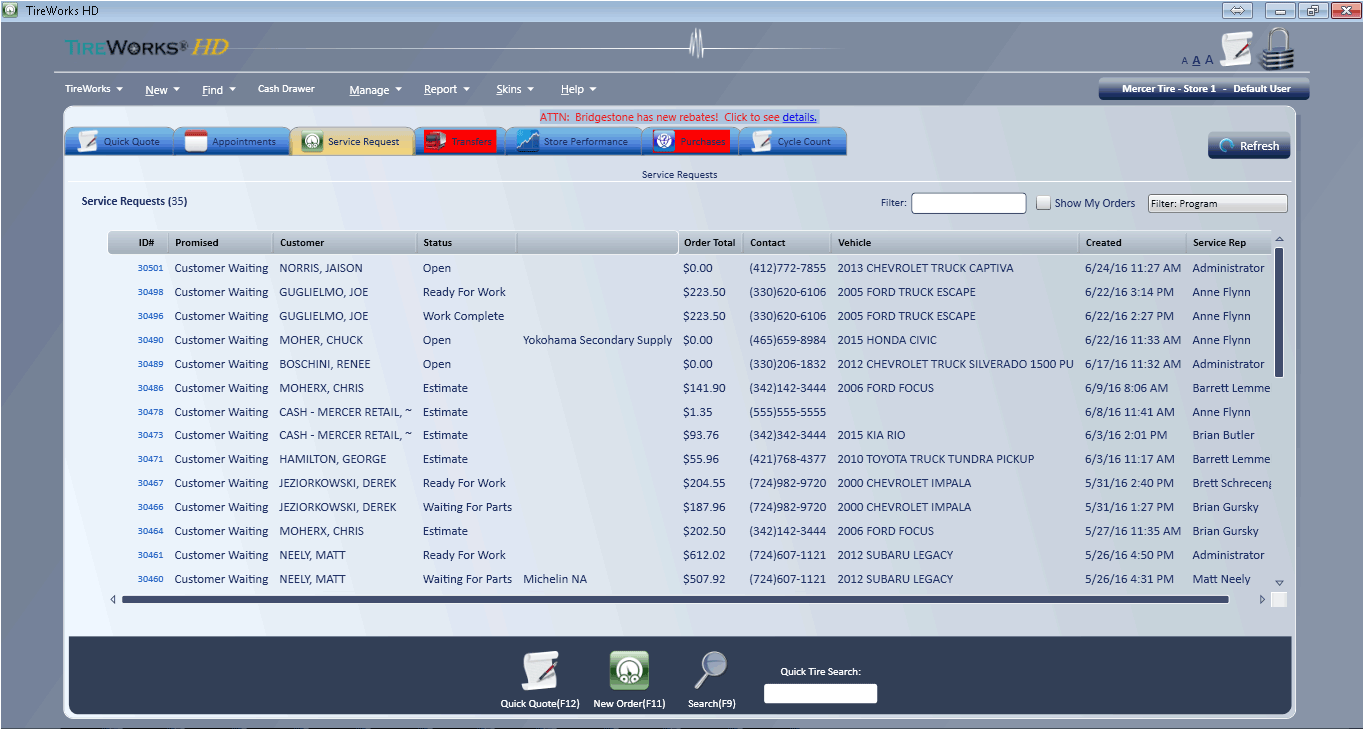
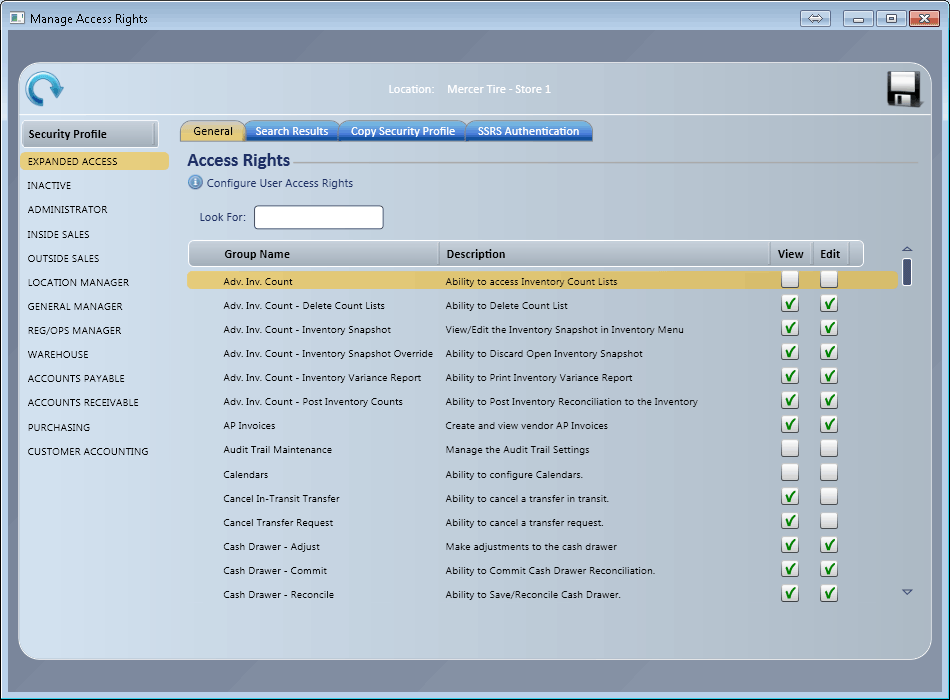
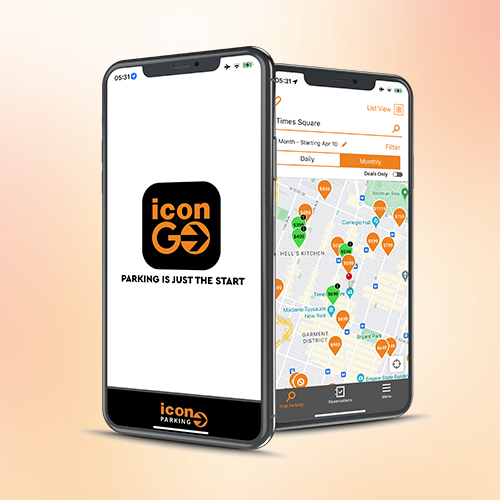
Making the entire parking experience so invisible to your customer that they are not even worrying about parking, we call this Frictionless parking experience. Use our Parking Inventory Management System to resell your reserve-able inventory through aggregators. Provide personalized service to your monthly customers with our Monthly Parking System.
Read More..Embrace the strengths of the aggregators like SpotHero to your own advantage, and on your own terms, as well as seamlessly integrate with your neighbourhood businesses ecosystem.
Are you making the experience of your monthly customers so seamless that they feel they are parking in their own home garage?
Are you making the entire parking experience so invisible to your customer that they are not even worrying about parking, and just staying focused on that dinner, that meeting, that doctor visit, that show, that shopping trip, that flight, or any other purpose they are there for?
With tight labour market and rising labour wages and regulations finding professional valets who you can trust to be the face of your business is a huge challenge – reduce your dependency on labour, Automate.
Trusted by IT Giants like IBM, Accenture, Idea, HCL and many more in the market place, we are India’s most reliable organization’s resources providers. Our cost-effective solution with dedicated recruiters with high domain expertise enables us to deliver best in class solution for your entire resource management requirement. Our Offshore operation centers result in quicker and greater ROI for our clients.
Read More..We are committed to providing businesses with the most talented, skillful, and hard-to-find professional both for technical and executive positions. We specialize in permanent and contractual staffing at varying organization’s hierarchy level.
We offer multiple engagement models to meet the diverse needs of a global client base that includes ISVs, Corporate IT departments, IT Services Providers and computer software & web development companies.
We Guarantee access to world-class talent while managing the process, infrastructure, people, cultural diversities, legal, quality, communication, administrative, and managerial aspects of your outsourced operations.
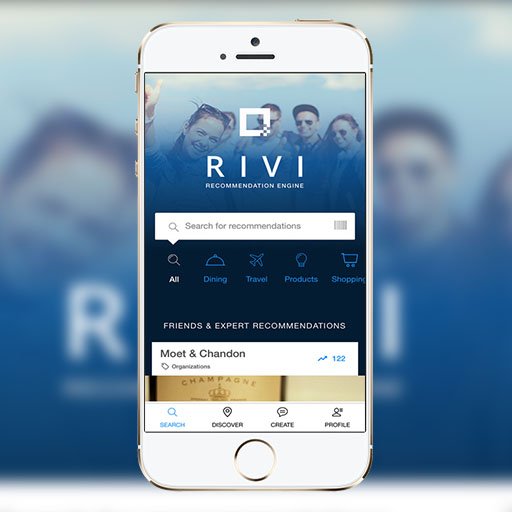
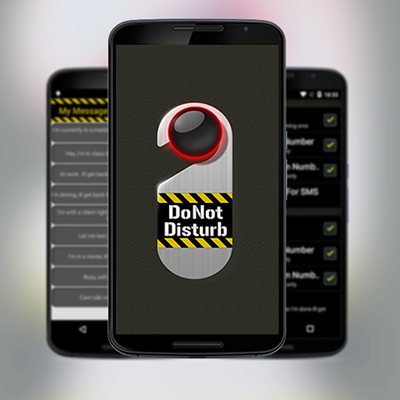
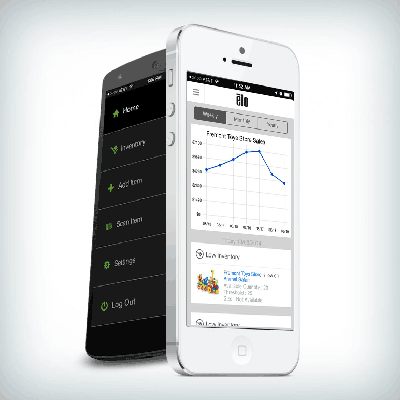
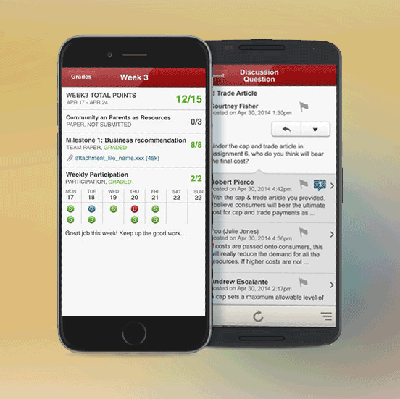
We have developed more than 150 high-performance, secure and user-friendly Mobile Apps compatible with all the major platforms like iOS, Android and Windows. Our Engineers make sure that your app is App Store- listing friendly and get easily ranked among the respective category. We also provide App Store / Google Play Optimization services to app owners in order to help them get top positions in respective app stores.
Read More..We provide superior iPhone app design and robust technical solutions, helping your apps stand above your competition.
Taking advantage of Android's open-source platform, we build multi-functional, scalable and innovative Android-based applications.
We offer you innovation-rich, flexible and cost-effective tablet solutions, custom-made for a wide array of business needs.

We offer variety of smart-watch app solutions to our customers with end-to-end approach which covers the entire lifecycle of the solution.
With expertise in Windows C#, .Net and Windows Compact Framework, we provide the best Windows app solution. We also help you to move your existing apps to Universal Windows Platform so that they can run on Windows devices.
AI and Generative AI are transforming industries by enabling smarter automation, intelligent decision-making, and enhanced creativity. Our AI-driven solutions streamline workflows, optimize efficiency, and unlock deep insights, empowering businesses to innovate and scale seamlessly. From predictive analytics to content generation, our AI tools enhance productivity, reduce operational costs, and drive data-driven strategies. Whether automating repetitive tasks, personalizing customer experiences, or generating high-quality content, our AI solutions adapt to your unique needs.
Read More..AI enhances customer experiences, optimizes inventory, personalizes recommendations, prevents fraud, streamlines supply chains, and enables data-driven pricing and marketing strategies.
AI optimizes network performance, predictive maintenance, customer support automation, fraud detection, bandwidth allocation, personalized plans, real-time analytics, and improved user experiences
AI accelerates drug discovery, improves diagnostics, enables personalized medicine, enhances clinical trials, automates workflows, and optimizes healthcare data for better patient outcomes.
AI-driven automation boosts production efficiency, predictive maintenance, quality control, supply chain optimization, robotics integration, real-time monitoring, and cost reduction in industrial operations.
AI strengthens fraud detection, risk management, chatbot-driven customer service, automated underwriting, algorithmic trading, credit scoring, and data-driven financial decision-making
In this era of growing ecommerce domination, we provide multi-device compatible customer-centric and latest ecommerce design and development solutions to accelerate your business returns. With a team of experienced ecommerce design and development professionals we assure you of a revenue generating website. With a team capable of customizing your website to the point of satisfaction, high ROI is guaranteed.
Read More..Grow your business to next level with our robust and scalable wordpress development solutions. Our high level wordpress customization solutions enable the scope to convert a generic wordpress CMS into a personalized one.

WooCommerce pairing with WordPress is one of the best option to build out a light weight, beautiful and powerful online stores to sell anything. We have been witness to happy store owners who runs their stores with WooCommerce.

We provide customized Magento development services that include Magento modules development, themes design & development, customization of Magento functionality and maintenance.

We offer OpenCart Development Services to help our clients manage their day to day business tasks easily by exploiting its powerful, feature rich and user friendly features. We develop theme and plug-in on OpenCart to suit your business needs.






"The OutworX team helped us in articulating our requirements better by their curious and helpful feedbacks and queries. They worked together with us, most of the time very patiently. Most of the times, their first cuts presented were the ones we had in our minds. What I liked most about them was that, there was a readiness to share and take knowledge and work as one unit, instead of a vendor- client binary. The goal of quality output and one which is good in the long run was shared hence by both of us. I recommend them highly for such projects."

"It was great working with the OutworX team, they were very quick and professional with all the work submitted as well as very understanding and quick to communicate with any problems. Overall am very satisfied with the App and I highly recommend OutworX team to anyone who is interested in having an App written. "

"OutworX have gone above and beyond their call. Great working with them. Look
forward to working together on other projects. Delivered on time and on
budget. Very happy with the service.
Great work by the OutworX team"
" I have been working with OutworX for many years now and the talent has been better than any other outsourcing firm that I have worked with in the past. In addition, I have been delighted with the level of communication and leadership among the team members assigned to my team. My OutworX team has truly become a seamless extension of our company. I would recommend OutworX to anyone looking to bring their products to life or anyone looking to enhance existing products. "
“OutworX were very professional in their interaction with us. They lived up
to the timelines and got the requirements spot-on. They went the extra mile
and ensured all the required design and functionality changes were
accommodated.
Looking forward to working with OutworX in the future! "
























Facilitating tens of thousands of annual talent acquisitions worldwide, we serve businesses from all the industries. We are a global leader in RPO (Recruitment Process Outsourcing) solutions. We work with a customizable and scalable talent delivery model. We can be an extension to your business and start providing you the benefits from day one.








 US Corporate office
 Noida, India